
We thrive when we matter
We believe that all youth need positive connections to peers and adults, and a community where they belong.
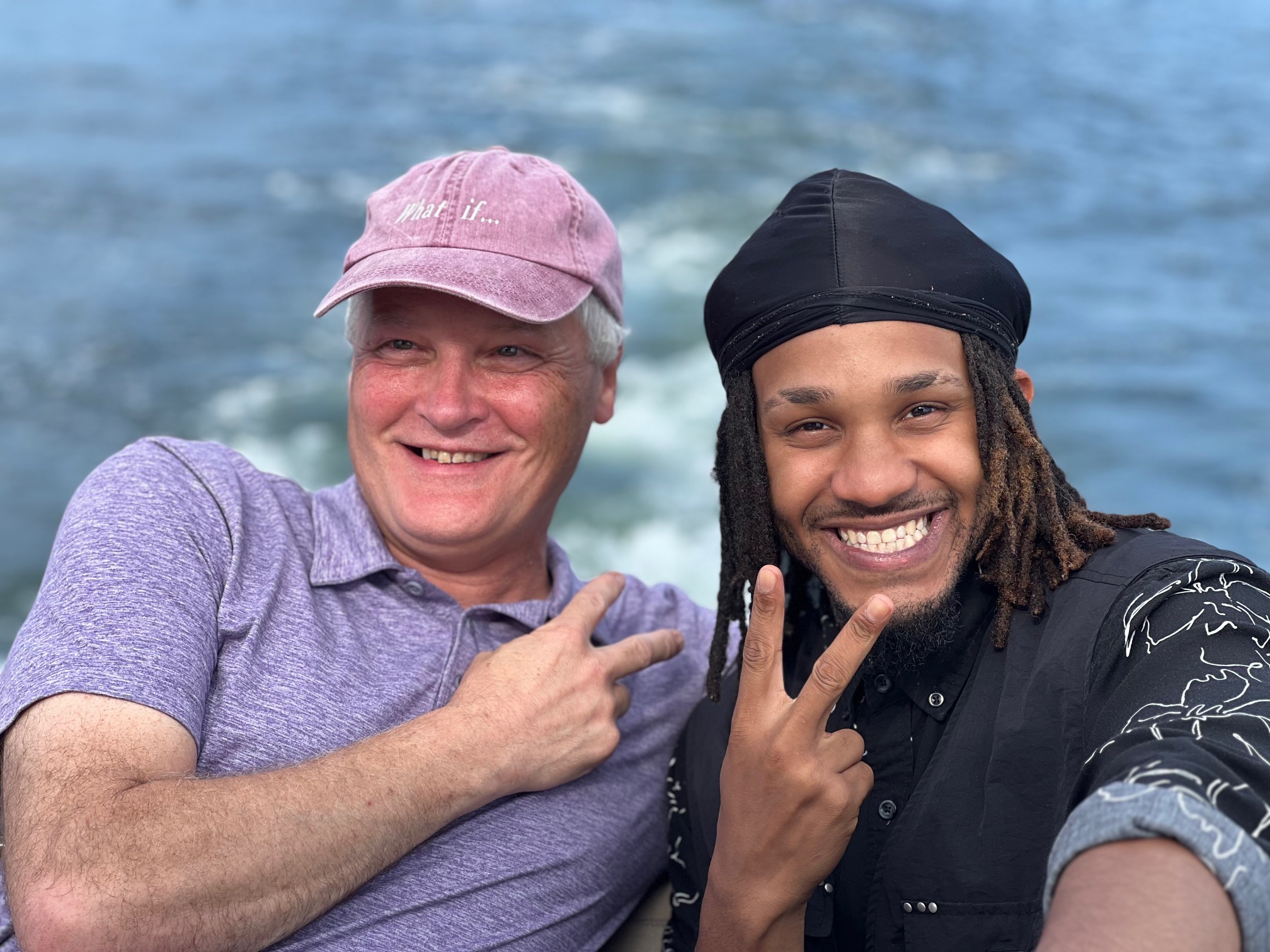
Who are the young people we serve?
Capable young people navigating a system that keeps changing around them.
Young people enter foster care through no fault of their own.
- Placed in state custody when home isn't safe
- Often removed from family and community without warning
- Moved frequently between homes, schools, and communities
The young people we serve are nearly four times as likely to be moved in a given year
Youth fall an average of 6 months behind in school with every move.
How placement moves affect youth in foster careWhat's missing?
A caring, consistent adult.
Having a consistent relationship with a supportive adult is crucial for building resilience in young people.
— Center on the Developing Child at Harvard University
For youth in foster care, these relationships are often disrupted by:
- System involvement. The state decides where they live, and placement shortages can force moves more often than anyone wants.
- Frequent moves. Each move often means a new home, school, and community, and saying goodbye to most of the people in their life.
- Relational trauma. After so much loss, trusting someone new can be hard.
Picture 100 young adults who grew up in foster care.
52 didn't have even ONE lasting relationship
48 did, but for most of them, it was just ONE
This lack of connection increases isolation and disrupts healthy development.
CEO Colby Swettberg's TEDx Talk on why consistent, positive relationships matter so much for young people in foster care.
How does a mentor change things?
Consistency builds resilience.
Research on child development shows time and again that consistent, positive relationships are paramount to healthy development.
- A caring adult helps buffer the impact of trauma and toxic stress
- Mentoring relationships are best when they're long-term
Studies show that youth with mentors are:
50% more likely to graduate high school
40% more likely to be employed
25% less likely to be in a gang
Longevity is what makes the difference
- Under 3 monthsRelationships this short can have a negative impact
- 1 year or moreRelationships lasting at least a year net positive results
- 4 yearsHow long relationships in our program last, on average
Our theory of change
- Self-efficacyChoosing a path, setting goals and self-advocating
- Social connectednessPositive relationships and a sense of belonging
- Positive identitySeeing the value in their own voices
- Social-emotional skillsExpressing and managing emotions
- Healthy relationships
- Mental and physical health
- Setting and keeping educational goals
- Economic well-being
Why Silver Lining Mentoring?
A proven track record of impact.
With 25 years of experience, Silver Lining Mentoring is the only mentoring organization in Massachusetts focused exclusively on the unique needs of youth in foster care and is one of the few nationwide with this specialized focus.
Young people's lives are unpredictable and often complicated. Our staff help mentors navigate these challenges so they can persist through inevitable transitions.
Our impact, side by side
How young people in our program compare with their peers nationally.
Over 90% finish high school
Ages 19 and older. For all young people, it's 95%.
3% experience homelessness
For all young people, it's about 4%.
100% had someone to talk to when they needed help
Their mentor was the #1 person they chose.
Rungs of support
What every Silver Lining young person and mentor gets.
A mentor who stays
One volunteer mentor, carefully trained, matched and committed for the long term.
A dedicated program coordinator
A skilled, clinically trained staff member who supports both the young person and the mentor throughout their relationship.
Learn & Earn
Young people earn incentives as they build the financial, career and life skills they need for independence.
Financial assistance
Direct help with emergency needs, from housing and utilities to phone and transportation.
Milestones and national recognition
Over the years, Silver Lining Mentoring has been lauded as a national leader in mentoring services for youth in foster care.
- 2014Social InnovatorNamed a Social Innovator through the Social Innovation Forum.
- 2015Social Venture Partners investeeChosen as a three-year investee by Social Venture Partners (SVP), whose consultants shared business counsel to help us grow our impact on youth in foster care.
- 2017Barr Foundation FellowCEO Colby Swettberg was chosen as a Barr Foundation Fellow, recognizing Colby and Silver Lining Mentoring's impact on the community.
- 2019Silver Lining Mentoring InstituteAs mentoring and child welfare organizations nationwide sought our guidance, Silver Lining Mentoring formalized that work by launching its Institute. Today, the Institute has trained and advised organizations in 40 states.
- 2024TEDx Boston showcaseOne of only a few nonprofits selected for TEDx Boston's January 2024 nonprofit showcase. Watch the talk.
- 2025Representing the U.S. in JapanColby was invited to represent the United States as one of five nonprofit leaders at the inaugural Japan United States Social Innovation Network (JUSSIN) convening, sharing best practices in nonprofit leadership.
Help a young person keep moving forward
Become a mentor with support from our clinically trained staff, or give to help young people build relationships that last.
Sources
- Moving in a given year: U.S. Census Bureau (2013); Silver Lining Mentoring program data. Six months behind per move: research cited in When Home Keeps Changing.
- Homelessness and high school completion: Annie E. Casey Foundation; Chapin Hall. College degree: National Foster Youth Institute (2025).
- PTSD: Casey Family Programs (2005), Northwest Foster Care Alumni Study. Pregnancy by age 21: Greeson et al. (2014), citing the Midwest Evaluation of the Adult Functioning of Former Foster Youth. Justice involvement: National Foster Youth Institute.
- Consistent relationships and resilience: Center on the Developing Child at Harvard University. Enduring relationships: Okpych et al. (2023).
- Youth with mentors: DuBois & Silverthorn (2005). Relationship length and outcomes: Grossman & Rhodes (2002). Average relationship length and our program's results: Silver Lining Mentoring program data; see Explore Our Impact.